


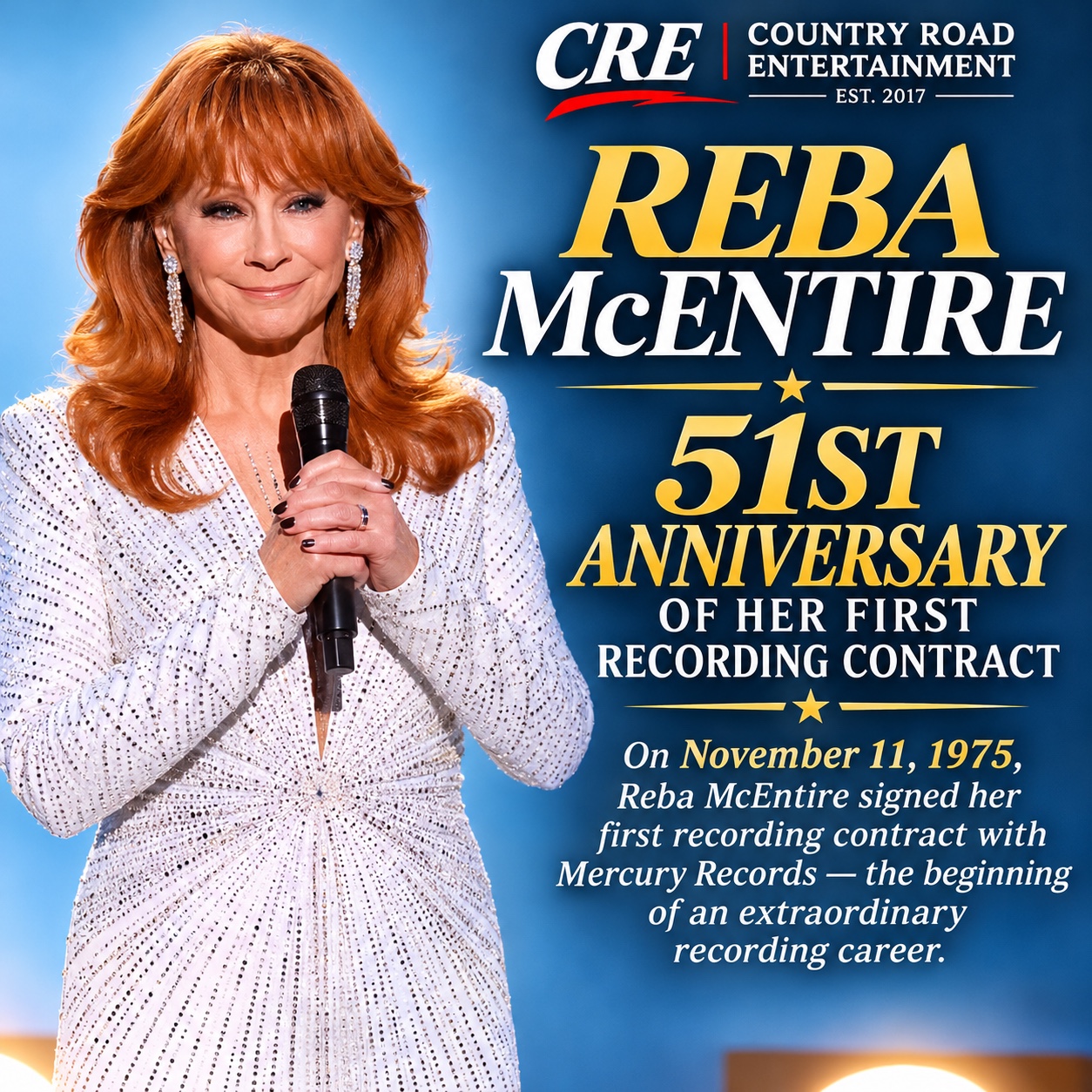
On November 11, 1975, Reba McEntire signed her first recording contract with Mercury Records. Fifty-one years later, that beginning offers a chance to look beyond the familiar hits and television roles to the Oklahoma singer who built a career one recording, one stage and one audience at a time.
From Oklahoma cattle country to Nashville
McEntire was born in McAlester, Oklahoma, and grew up on her family’s cattle ranch near Chockie. Music belonged to family life long before it became a profession. Her mother taught the children harmony, and Reba performed with siblings Pake and Susie as the Singing McEntires.
A national anthem performance at the National Finals Rodeo in December 1974 brought her to the attention of Red Steagall. Nashville demos followed in 1975, and the Mercury agreement arrived that November. As her official label biography documents, the road from that opportunity to sustained chart success took years.
A contract came before the breakthrough
The anniversary belongs specifically to her first record deal. Her debut single, “I Don’t Want to Be a One Night Stand,” reached the chart in 1976, and her self-titled debut album followed in 1977. Those early releases introduced a promising voice without immediately establishing a superstar.
“(You Lift Me) Up to Heaven” brought a first Top 10 hit in 1980. “Can’t Even Get the Blues” and “You’re the First Time I’ve Thought About Leaving” later became early No. 1 records. The distinction matters: November 11 celebrates the door opening, while the recordings that followed show how much work remained beyond that door.
A voice, a character and a country music institution
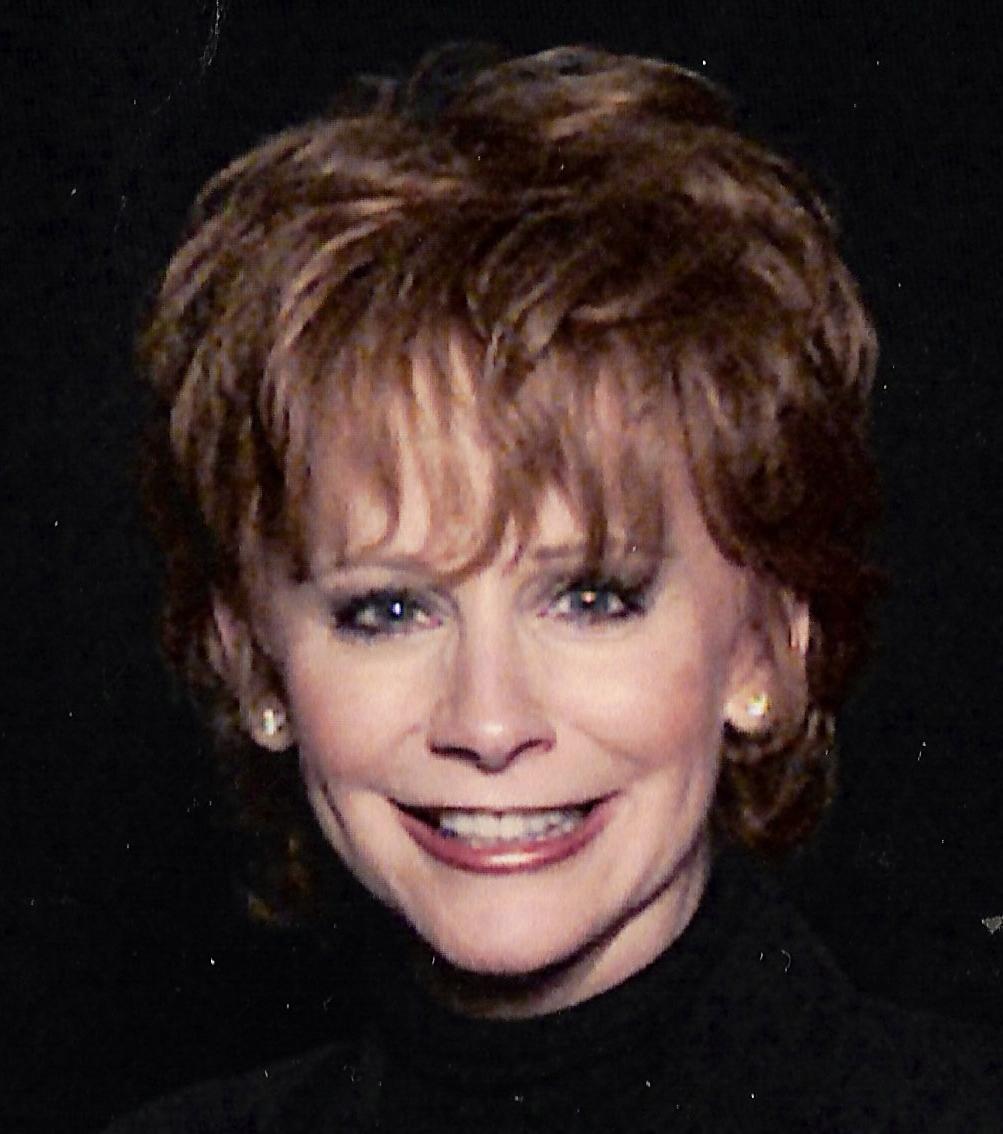
The Country Music Hall of Fame and Museum traces her emergence as an artist who combined country singing with an increasingly ambitious stage presentation. Her move to MCA and the traditional country direction of My Kind of Country helped define the next chapter.
“How Blue,” “Somebody Should Leave” and “Whoever’s in New England” demonstrated her ability to make a song’s emotional stakes feel personal. Later favorites such as “Fancy,” “Is There Life Out There” and “The Night the Lights Went Out in Georgia” gave her vivid characters and stories to inhabit. With Linda Davis on “Does He Love You,” she also made a dramatic duet into an enduring part of her catalog.
She became a Grand Ole Opry member in 1986 and entered the Country Music Hall of Fame in 2011. Yet her importance also lives outside institutional honors: her videos and performances made women’s choices, independence and resilience central to some of country music’s most recognizable stories.
From the concert stage to television
Her entertainment career expanded through the film Tremors, Broadway’s Annie Get Your Gun and the sitcom Reba, which ran from 2001 to 2007. Those roles brought her timing and personality to audiences who might not have discovered her first through country radio.
The connection between acting and music continued with NBC’s Happy’s Place. Reba stars as Bobbie, who inherits her father’s tavern and discovers an unexpected family connection. She also serves as an executive producer. For the show’s theme, she teamed with Carole King as a co-writer, another example of her musical identity carrying into her screen work. Her official announcement details that collaboration.

Fifty-one years after the first signature
Last year, executives surprised her on the Happy’s Place set with a plaque marking the contract’s 50th anniversary. Reba’s official account of that celebration identifies November 11, 1975, as the signing date. The photograph above records that 2025 occasion; today’s anniversary is the 51st.
The span from a young Oklahoma singer’s first deal to a career across records, concerts, Broadway and television illustrates the reach a country artist can build without abandoning the storytelling at the center of the music. For longtime listeners, the anniversary is also personal: these songs have accompanied decades of ordinary days, difficult decisions and celebrations.
Continue exploring country music history with CRE’s Patsy Cline recording anniversary feature, or read about Carly Pearce’s move into film.