
Jason Isbell, along with musicians David Lowery, Guy Forsyth and Eduardo Calle, filed a proposed class-action lawsuit against AI music platform Suno in federal court in Massachusetts on August 31. The artists accuse the company of allowing its technology to generate music that can evoke or imitate specific performers without their permission.
What makes this case especially interesting is that it is not simply another copyright dispute.
The lawsuit focuses heavily on an artist’s identity and right of publicity — essentially arguing that a musician’s name, voice, image and recognizable artistic identity cannot simply be commercially exploited because artificial intelligence is involved. The plaintiffs allege that Suno can use an artist’s name as a kind of retrieval key, producing music designed to evoke that particular performer.
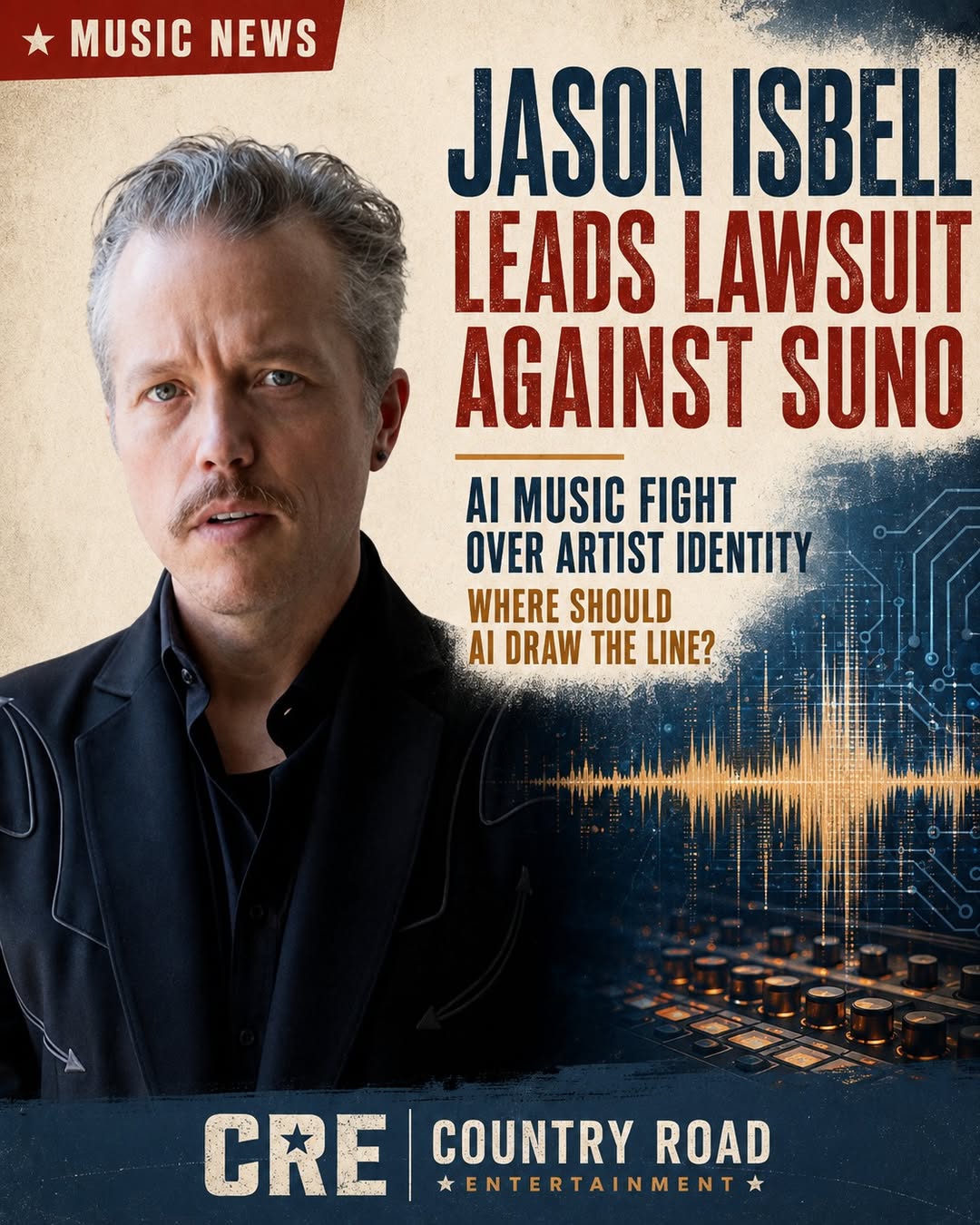
One example cited in reporting surrounding the case involved entering Jason Isbell’s name into the platform and receiving an AI-generated Americana song called “Paper Bell,” with vocals and musical characteristics that the plaintiffs say evoked Isbell’s style. The complaint also argues that safeguards intended to prevent direct artist-name prompts may be relatively easy to work around.
Suno disputes the accusations. The company has said its goal is to help users create original music rather than trade on the identity of existing artists, and it says it has safeguards designed to discourage unauthorized imitation. The company has indicated that it intends to defend itself against the lawsuit.
The case arrives as the music industry continues wrestling with one of the biggest questions created by generative AI: Where does inspiration end and imitation begin?
AI music systems can already generate convincing vocals, arrangements and complete songs in seconds. For emerging artists, songwriters and established performers alike, that technology presents both opportunities and serious concerns. An AI tool could potentially become another creative instrument — but artists are increasingly asking who should control the use of their voice, style and identity when those systems learn to reproduce something recognizably similar.
Isbell’s lawsuit could become an important test because it moves the conversation beyond ownership of an individual song or recording. Instead, it asks whether the recognizable qualities that make listeners immediately think of a particular performer deserve legal protection of their own.
For country music, that question may be especially significant. The genre has always placed enormous value on distinctive voices, songwriting styles and individual storytelling. If technology can reproduce those characteristics on command, the industry may eventually have to determine just how much of an artist’s musical identity belongs exclusively to the artist.
The AI music fight is far from over — and this case could help determine where some of those boundaries are drawn.